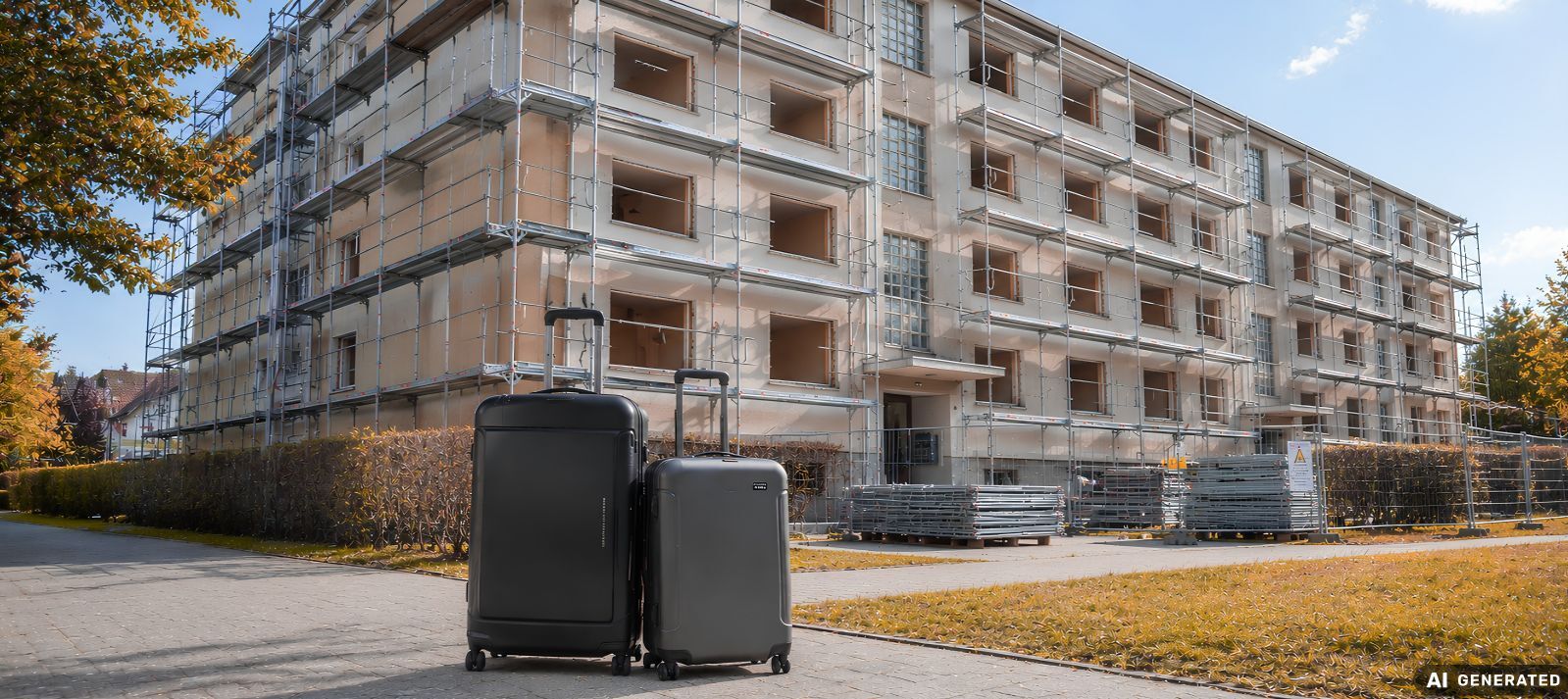
The energy transition in the building sector no longer depends on technology or funding alone. Increasingly, the question is how energy-efficient renovations can be implemented faster, at scale, and more effectively, especially in occupied buildings. Long construction times, complex processes, and limited skilled labor capacity are slowing down the transition in many places. This is why serial renovation is increasingly gaining attention from policymakers and the housing industry. Industrially prefabricated facade and building technology modules promise shorter construction times and more efficient processes.
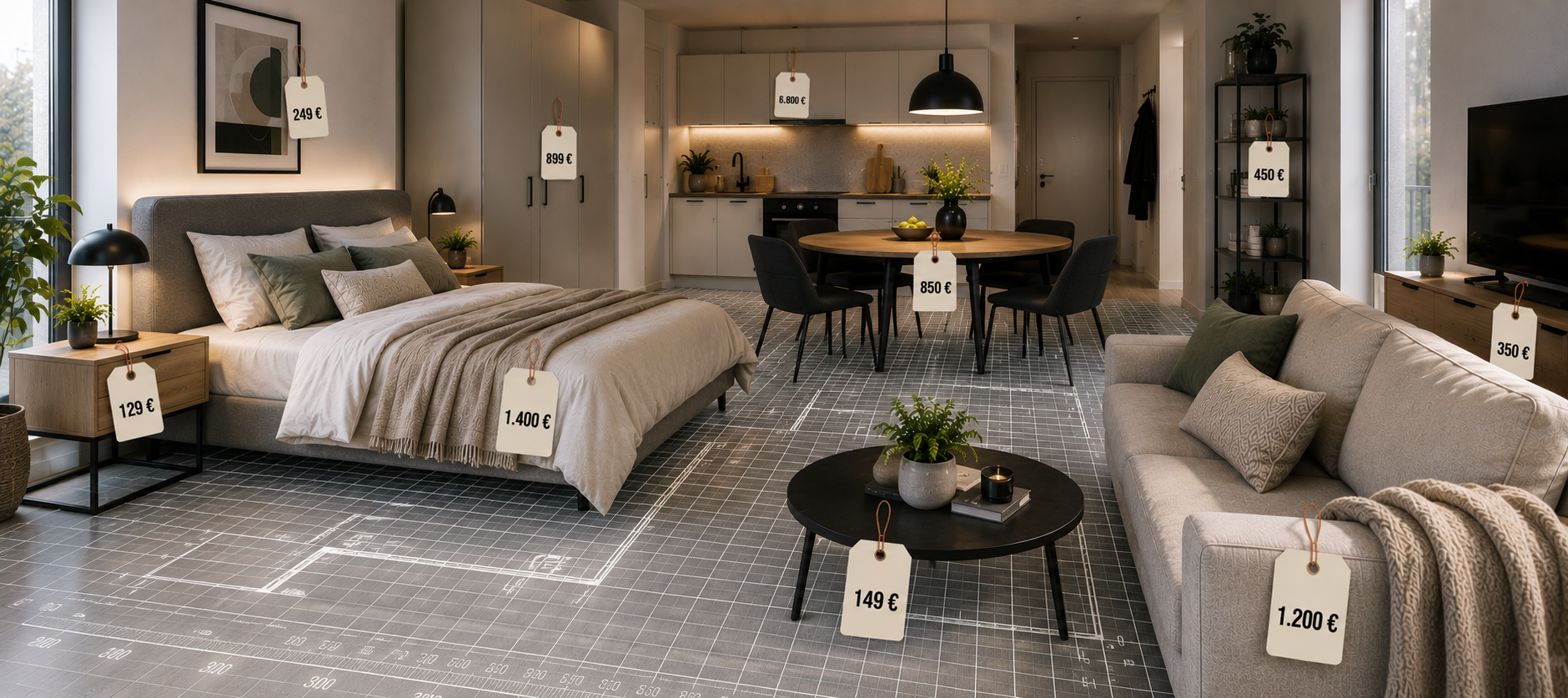
However, as serial renovation becomes more widespread, a question that has received little attention so far is coming into focus: Where will residents live if extensive renovations are to be carried out faster, in a more coordinated way, and with fewer disruptions? This issue of the newsletter examines the connection between serial renovation and long-term flexible housing and shows why temporary housing options can play an important role in accelerating the modernization of the building stock.
Yours sincerely,
Jan Hase
CEO Wunderflats