




Table of Contents
For expats and short‑ to mid‑term renters in Germany, here’s a clear, practical guide to what you must handle, what your landlord must handle, and how to protect yourself if a dispute pops up.
The Essentials: Who does what under German law
German rental law starts from three simple principles:
- Your landlord must keep the home usable and in good repair. In legal terms, the landlord must hand over the dwelling in a condition suitable for its agreed use and maintain it in that condition throughout the tenancy (BGB § 535).
- You must use the home carefully, report defects, and allow necessary repairs. If a defect appears during the tenancy, you must notify the landlord without delay; if you don’t, you can be liable for resulting damage and may lose certain rights (like rent reduction) for that period (BGB § 536c). You also need to tolerate maintenance works announced in time (BGB § 555a).
- Normal wear‑and‑tear is not your liability. Changes caused by ordinary, contract‑compliant use are not something you must pay for (BGB § 538). This covers the everyday aging you’d expect from living in a place.
These three rules frame everything else in this article.
Typical tenant responsibilities (and their limits)
A. Small fixes (“Kleinreparaturen”): only if your lease has a valid clause
What Is a “Kleinreparaturklausel”?
In many German rental contracts, there’s a clause that says you – the tenant – must pay for minor repairs inside the apartment. This is known as a “Kleinreparaturklausel”.
But you only have to pay if the clause meets certain legal rules. If the wording is too broad or unfair, you don’t have to pay anything for small repairs, even if the clause is in your lease.
Under German rental law (§ 535 BGB), the landlord is fully responsible for keeping the apartment in good condition; that means they pay for all repairs by default. This includes both big and small repairs, no matter the cost.
Important: This is the default rule under the law. You do not have to pay for any repair, no matter how small, unless your rental contract includes a valid “Kleinreparaturklausel”.
In other words, small repairs are normally the landlord’s job, just like big ones. If they want you to pay for some of the small stuff (like a dripping faucet or a broken light switch), they must include a very specific, legally valid clause in the lease.
What Makes the Clause Legal?
For the clause to be valid and enforceable, three things must be true:
1. It Only Applies to Items You Regularly Use
You can only be made to pay for repairs to items that you physically use or touch often, like:
- Faucets
- Light switches
- Window and door handles
- Toilet flush buttons
- Radiator knobs
But it doesn’t apply to things you don’t directly use, like:
- Pipes inside the walls
- Electrical wiring
- The heating system
- The building’s plumbing
Bottom line: The repair must be for something you regularly interact with—not hidden systems behind the walls.
2. There Must Be a Per-Repair Cost Limit
Each repair you’re responsible for must stay under a specific price cap, usually written in your lease.
- Today, the limit is typically around €100 to €120 per repair.
- Some courts accept up to €125, but anything much higher might not be enforceable.
If the actual repair invoice is more than the cap, you only have to pay up to the limit; your landlord covers the rest.
Example:
If your contract says the per-repair limit is €100, and the plumber charges €150 to fix a dripping faucet, you pay €100 and the landlord pays €50.
3. There Must Be a Yearly Limit on How Much You Pay
There also needs to be a maximum amount you can be charged per year for small repairs.
- A common rule is: no more than 6% of your annual basic rent (the “Kaltmiete” without utilities).
- If this yearly cap is missing or way too high, the whole clause is considered invalid and you don’t have to pay anything.
Example:
If your monthly base rent is €800, your annual rent is €9,600.
6% of that is €576. That would be your maximum small-repair cost for the entire year.
If the clause doesn’t mention this kind of cap, it’s not valid.
What Happens If the Clause Is Invalid?
If your lease:
- Doesn’t clearly list what types of items it covers,
- Lacks a repair cost cap, or
Doesn’t set a yearly maximum,
then you’re not legally required to pay for any small repairs, even if it says you are.
Also Good to Know
- You usually don’t have to organize the repair yourself, just pay your share if the landlord sends the invoice (assuming the clause is valid).
- Always ask for a copy of the invoice and check the cost before paying.
- Keep receipts and records in case the annual cap is reached and the landlord keeps asking you to pay.
Examples typically included: replacing a broken light switch or WC seat, fixing a dripping tap cartridge, a new shower hose or handle, replacing a fuse or lamp in a provided fixture.
Examples typically excluded: boiler/heating repairs, the intercom system’s wiring, plumbing behind walls, window frames themselves, major appliances if they’re part of the rental.
B. Keeping the flat clean and using it carefully
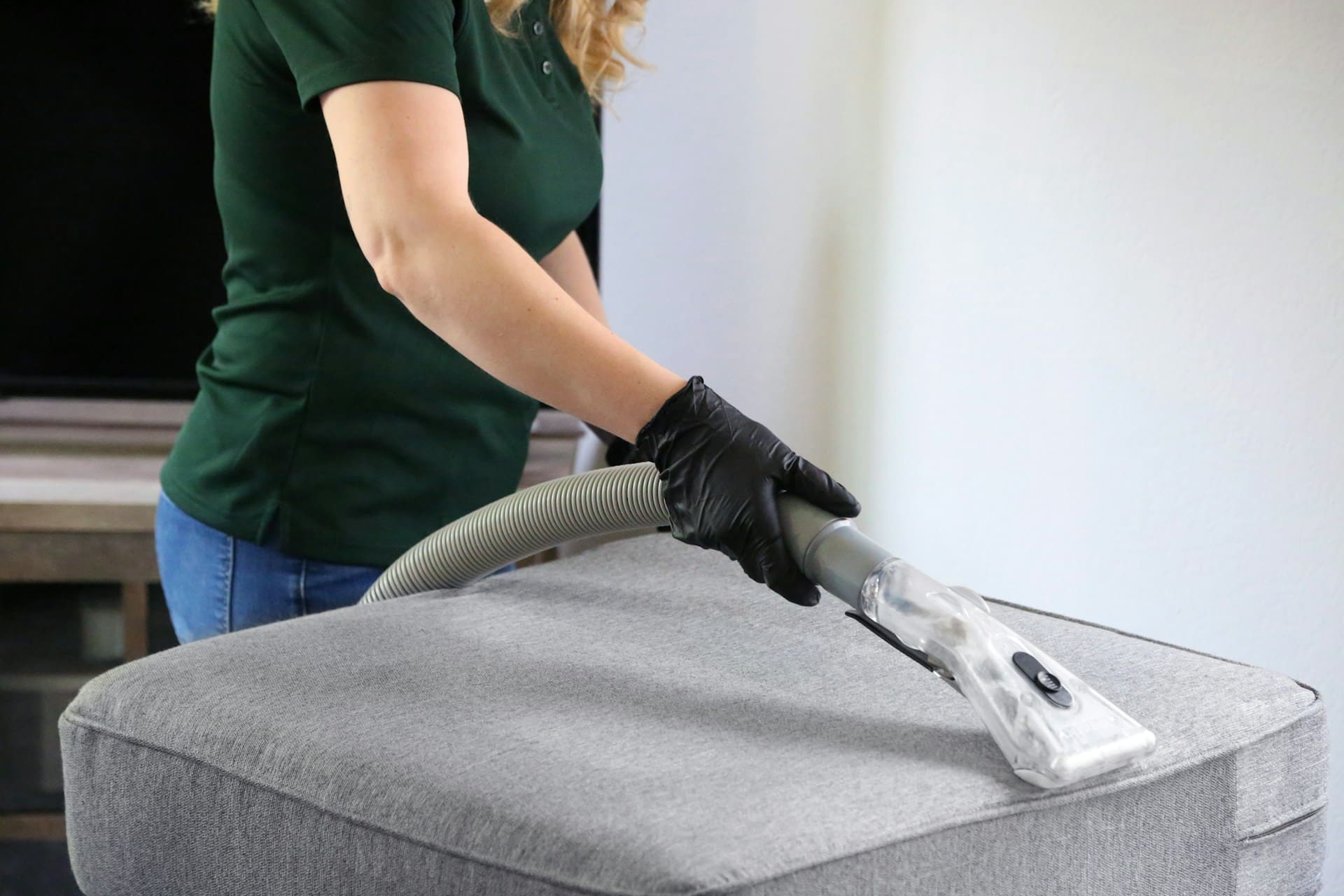
You should clean reasonably (bathroom limescale, kitchen grease, regular vacuuming/mopping) and avoid avoidable damage (e.g., never overload shelves, don’t leave water standing on wooden floors). This is part of your general duty of careful use. If you cause damage through negligence or misuse, you can be liable.
Mould prevention: German case law expects reasonable heating and regular “Stoßlüften” (airing) often 2–3 times per day for 10–15 minutes, adapted to the building and season. If mould appears, report it immediately and follow your landlord’s instructions; do not attempt major remediation yourself.
If you spot mould, water damage, or any serious damp in the apartment, you must report it to your landlord immediately. This is not just good practice, it’s a legal duty under § 536c BGB.
⚠️ If you wait too long and the damage gets worse, the landlord can say you are liable for part or all of the repairs.
Even worse, you could lose the right to reduce your rent while the problem lasts.
So, even if it seems minor (e.g., a small black patch in the corner), send an email and take photos right away. That protects your rights.
If You’re Heating and Ventilating Properly, It’s Likely the Landlord’s Problem
German courts recognize that sometimes mould appears even when tenants do everything right: heating regularly, airing 2–3 times a day, keeping furniture a bit away from cold outside walls, etc.
In those cases, it’s considered a defect, and the landlord must fix it at their own cost.
If You Don’t Air Properly, You May Have to Pay
On the other hand, if the mould appears because you didn’t ventilate or heat the place properly, then you can be held responsible.
C. Reporting problems promptly
If you notice a defect (e.g., a leaking pipe under the sink, flickering hallway lights, a non‑heating radiator), inform the landlord right away. Failing to do so can make you liable for the extra damage that could have been avoided and may undermine rent‑reduction claims for that period (BGB § 536c). Email is fine; save the sent message and also – photos help.
What the landlord must handle
A. Structural and building‑system repairs
If something essential in the apartment breaks, like the heating, plumbing, electricity, hot water, or windows, the landlord is responsible for fixing it.
That includes:
- Heating not working
- Hot water stops running
- The toilet won’t flush or sink pipe bursts
- Electrical issues (fuse box, sockets not working)
- Windows or doors no longer close properly due to damage or age
These kinds of issues fall under the landlord’s legal duty to keep the apartment in proper working condition (this comes from § 535 of the German Civil Code, or “BGB”).
If Something Breaks and It Affects Your Daily Use, You May Be Allowed to Pay Less Rent
When a defect like those above makes the apartment less usable, say, no heating in winter or no hot water for days, you may be entitled to a rent reduction. This is called a “Mietminderung” and is allowed under § 536 BGB.
⚠️ But before reducing your rent, always report the issue to your landlord in writing first (email is fine). If you don’t, you could lose that right.
A.Heating: What Temperature Is Legally Expected?
German courts have set general expectations (even though there’s no exact national law with specific numbers). The heating system should allow the following:
- Around 20–22°C during the day (usually from 6 a.m. to 10 p.m.)
- At least 18°C at night
This applies during the usual heating season, which is October 1st to April 30th in most regions.
If your heating can’t reach those temperatures, especially in winter, it’s typically considered a defect. Your landlord is required to fix it, and until it’s resolved, you might qualify for a temporary rent reduction.
B. Major wear‑and‑tear replacements
When an item that’s part of the rented property (e.g., a landlord‑owned boiler or built‑in fixture) reaches end of life, replacement is generally a landlord cost, not a tenant cost because keeping the place fit for the agreed use is a landlord duty (§ 535). Normal aging is not your risk (§ 538).
C. Compliance with safety rules
Landlords must ensure the dwelling meets applicable safety standards. Two common examples:
- Smoke detectors (“Rauchmelder”): All German states require them. Typically, landlords must install them; maintenance responsibility (testing/replacing batteries) varies by state and lease wording, but many landlords handle maintenance via service providers. Ask what applies in your state/lease.
- Legionella testing: In buildings with large central hot‑water systems (e.g., ≥400 L storage or long pipe volumes), the operator/owner must arrange periodic tests under the Trinkwasserverordnung (drinking‑water regulation). Single‑family and many small systems are exempt.
D. Access for repairs
You must permit access at reasonable times for inspections and maintenance/repair works that the landlord announces with notice (BGB § 555a). You can propose alternative times if a proposed slot is unreasonable, but you can’t block necessary work.
Wear‑and‑tear vs. damage: practical examples
German law draws a line between ordinary use (tenant not liable) and damage or excessive wear (tenant liable).
Usually wear‑and‑tear (landlord risk, § 538):
- Faded wall paint after years of normal use.
- Light scuffs on walls or floors from regular furniture placement.
- Moderate number of small nail holes from hanging pictures (context matters—e.g., holes in tile joints are usually better than drilling through tiles). Often, tenant‑caused damage (you likely pay):
- Heavy staining or large wall holes (e.g., from a wall‑mounted TV bracket) that go well beyond small picture nails.
- Broken glass, cracked tiles from drilling where avoidable, or damage from improper appliances/furniture.
- Water damage from letting a leak run without informing the landlord in time (breach of § 536c duty to notify).
When in doubt, ask your landlord (in writing) how they want to proceed- don’t attempt major repairs yourself unless you’re qualified or authorized, as poor DIY can make things worse.
⚠️Important: Tenant cannot be charged out of the deposit for routine wear.
“Schönheitsreparaturen” (cosmetic redecorating): why many tenant‑pays clauses don’t stick
Landlords often try to shift painting/decoration (“Schönheitsreparaturen”) onto tenants via standard contract language. German high‑court rulings have knocked out many of these clauses:
1. “Starre Fristen” – Fixed Repainting Schedules Are Not Allowed
Under BGB §535, cosmetic repairs are the landlord’s duty. If your rental contract says you must repaint the apartment every 3 or 5 years, no matter what shape the walls are in, that’s not legally valid.
Why? Because such a rule is considered too strict and unfair. It doesn’t make sense to force someone to repaint if everything still looks fine. German courts have ruled that these automatic time-based repainting rules are invalid unless they also take into account the actual condition of the flat.
What does this mean for you:
You don’t have to repaint just because a certain number of years have passed. The walls need to actually look worn or dirty for any repainting obligation to be reasonable.
2. “Quotenabgeltung” – Paying a Share for Repainting When You Leave
Some contracts include a clause saying that if you leave before the “repainting deadline”, you have to pay part of the cost anyway, based on how much time has passed (e.g., 50% of the repainting cost after 2.5 out of 5 years).
This kind of clause is called “Quotenabgeltungsklausel”, and it has been ruled invalid by Germany’s highest court (BGH in 2015). Why? Because it’s not clear or fair enough for tenants; it forces you to pay even if the apartment is still in good condition, and you may not even know how much the cost will be.
What does this mean for you:
You can’t be forced to pay a percentage of repainting costs just because you moved out partway through a “cycle.” If the landlord asks, you can say this kind of clause isn’t legal.
3. What If the Apartment Was Unrenovated When You Moved In?
If you moved into the apartment and the walls were already scuffed, dirty, or clearly not freshly painted, that means the place was unrenovated.
In that case, any clause in your lease that says you have to repaint when moving out is usually invalid, because you’re not responsible for restoring the place to a better condition than you received it in. That’s part of the landlord’s normal duty.
However, if you’ve lived there for a while and the condition has visibly worsened, the German Federal Court (BGH) ruled in 2020 that you can request a fresh paint job during your tenancy. But you’ll usually have to split the cost 50/50 with the landlord, unless they agree to cover it fully.
What this means for you:
- If the flat was unrenovated when you moved in, you usually don’t have to repaint at the end, even if your contract says so.
- If it’s gotten much worse and you want it repainted during your stay, you may be able to ask—but expect to share the cost.
Practical takeaway: Don’t accept a bill for end‑of‑tenancy painting just because a clause says so. Check whether the clause is one of the invalid types above and compare the actual condition. If a landlord insists, reply in writing referencing these principles and ask them to justify the demand.
Most Clauses Are Too Harsh and Get Thrown Out
German courts have ruled that repainting clauses are invalid if they:
- Set fixed time schedules (e.g., “must repaint every 3 years”)
- Make you pay a “share” of repainting costs when you move out early, even if nothing needs repainting (called Quotenabgeltung)
- Apply even when the flat was unrenovated at move-in, and you didn’t get a discount or compensation
So unless a clause is very carefully worded, and the apartment was handed over freshly renovated, it’s usually unenforceable.
When you can (and can’t) reduce rent
If a defect materially reduces the flat’s usability (e.g., heating failure in winter), you may reduce rent proportionally for the period of the defect (BGB § 536). But you must first notify the landlord and give them a chance to fix it; minor, short‑lived issues may not justify a reduction. For heating, courts regularly use the day/night temperature yardsticks mentioned above.
Step‑by‑step: handling a repair or defect
- Document: Take photos/videos of the issue and note the date/time it started.
- Notify the landlord promptly (email is fine). Describe the problem, attach photos, and propose access windows for a technician. This preserves your § 536c compliance.
- Urgent cases (e.g., burst pipe, total heating outage): Call first, then email.
- If the landlord doesn’t act: Send a written reminder with a reasonable deadline. For serious, unaddressed defects, you may have rights to reduce rent or, in narrow circumstances, to arrange repair and claim reimbursement (see BGB § 536a(2)); get legal advice before taking that step.
- Keep all invoices and correspondence. If you pay for an approved small repair (under a valid clause), keep the receipt and confirm whether it counts toward the annual cap.
Special notes for expats and short‑ to mid‑term renters
A. Document the condition from day one
- Do a thorough photo/video walkthrough on move‑in day (date‑stamped). Photograph walls, ceilings, floors, window frames, sanitary fixtures, appliances, radiators/thermostats, meter readings.
- Insist on a handover protocol (“Übergabeprotokoll”) at move‑in and move‑out. Use a standard template (the German Tenants’ Association provides one) and have both sides sign two copies. This is essential evidence if there’s a deposit or damage dispute later.
B. Clarify small-repair terms early
- Ask your landlord or agent to point you to the exact clause setting the per‑repair and annual caps, and what items it covers. If a clause lacks these caps or covers “everything,” it’s likely invalid.
C. Heating, mould, and airing (“Lüften”)
- If you’re new to German winters, expect to air out regularly and to use the heating enough to avoid condensation. Landlords are expected to provide systems that can reach court‑accepted temperatures; you’re expected to operate the home reasonably to avoid mould. If mould appears, report immediately.
D. Challenge unreasonable requests politely, in writing
- Push back on fixed‑schedule repainting or pro‑rata paint payments at move‑out; these clauses have been struck down by the BGH. Quote the concerns (“starre Fristen,” “Quotenabgeltung”) and ask for a legal basis.
E. Keep receipts
- For every repair you pay (or any supplies you buy for minor upkeep), save the receipt. Ask the landlord to confirm in writing whether a small repair counts toward your annual cap and how much cap remains.
F. Safety items: ask who does what
- Smoke detectors: Confirm who checks them (you vs. a service). Duties differ by state and lease.
- Hot‑water testing: In larger systems, your building owner should be arranging Legionella sampling. If you see notices about testing, don’t ignore them.

Quick at‑a‑glance checklist
- Landlord must maintain the flat’s structural and essential systems; you must report defects quickly and allow access for repairs.
- Small repairs: Pay only if your lease has a valid clause with reasonable per‑repair and annual caps and only for items you use directly (switches, taps, handles).
- Wear‑and‑tear ≠ damage: Faded paint and minor scuffs are normal; large holes, cracked tiles, or neglected leaks are not.
- Cosmetic works at move‑out: Fixed schedules and pro‑rata paint payments are typically invalid; unrenovated move‑in cases follow special BGH rules (often 50/50 cost sharing if you rightly ask for a fresh renovation mid‑tenancy).
- Heating: If the system can’t reach ~20–22 °C (day) / ~18 °C (night) in season, report it; it’s usually a defect.
- Handover protocol + photos: Essential protection at move‑in and move‑out
FAQs
Only if a valid clause applies and the flat’s condition actually requires it. Clauses with fixed time plans or quota payments are generally void. If your flat was unrenovated at move‑in and you got no compensation, you usually don’t owe end‑of‑tenancy painting.
You may reduce rent proportionally while a significant defect exists (after notifying the landlord), but do this cautiously. For severe defects (e.g., no heating in winter), courts accept meaningful reductions; brief, minor issues may not qualify.
Installation is typically the landlord’s responsibility across Germany; maintenance differs by state and contract. Ask your landlord or Hausverwaltung which regime applies in your building.
Likely not. Courts strike down clauses that shift excessive or unpredictable costs to tenants (e.g., all repairs, fixed repainting schedules, quota clauses). Small-repair clauses must be narrow and capped to be valid.
Reasonable Stoßlüften (often 2–3×/day for ~10–15 minutes) is typically expected. If mould appears, notify immediately; don’t self‑remediate extensively.
How to challenge an unreasonable request (template)
Subject: Request for [painting/new cost] – legal basis?
Dear [Landlord/Agent],
Thanks for your message of [date]. Please let me know the legal basis and lease clause for your request that I [repaint/pay €___].
- If this concerns small repairs, could you confirm the per‑repair and annual caps and how this item qualifies (frequent direct use)?
- If this concerns painting, please note that fixed‑schedule and quota clauses are typically invalid as per BGH case law; obligations depend on actual condition.
I’m happy to cooperate on any repairs that are truly my responsibility. Please advise.
Kind regards,
[Name, Address, Tenancy reference]
Final word
Germany protects tenants from being charged for normal wear and legally required maintenance, while expecting careful, responsible use of the home. If you remember the big three: landlord maintains (§ 535), you notify defects (§ 536c), and normal wear isn’t your liability (§ 538), you’ll avoid most pitfalls. For complex or high‑value disputes, speak with a local Mieterverein (tenants’ association) or a lawyer; this article gives general information, not individualized legal advice.

Legal review by Stephan Hartmann, Ass. jur., Data Privacy Officer at Lecturio — Tbilisi, Georgia
Disclaimer: The contents of this page have been prepared for your information and Stephan Hartmann, Ass. jur., Data Privacy Officer at Lecturio has been commissioned to check the legal correctness of this article. However, this article does not constitute legal advice. Always consult a legal professional for personalized guidance, especially if you're renting out property in Germany as a non-resident landlord or in complex circumstances.